

SEO efforts are strategic processes aimed at making websites rank higher organically in search engines, but sometimes they do not yield the expected results. At the root of this failure usually lie crawl budget issues that prevent search engine bots from scanning the site efficiently, incorrectly structured content, or technical deficiencies. While search engine algorithms are constantly updated, insisting on old and erroneous tactics leads to losses in organic traffic. For a successful optimization process, it is essential to correctly diagnose these errors and reconfigure them with data-oriented strategies that comply with modern search engine standards.
If you want to increase your brand's digital visibility, grow organic traffic permanently, and take more place in AI-supported search systems (GEO/LLM), you are in the right place. Magna Dijital Marketing Agency offers end-to-end SEO services from technical analysis to content strategy. To get detailed information, you can reach us immediately at 0850 333 80 91 or visit our SEO Services page to get detailed information.
What is SEO and Why Does It Not Yield the Expected Results?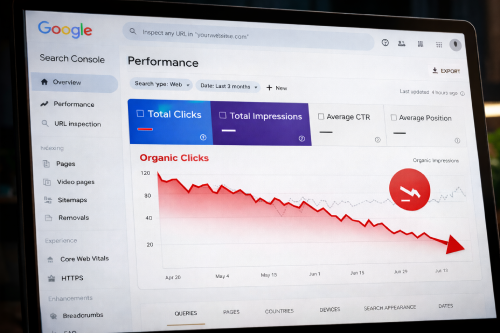
Although search engine optimization is one of the most fundamental building blocks of digital marketing, it is a discipline that is constantly changing and requires patience by its nature. To understand why efforts do not yield results, it is first necessary to correctly grasp the current working logic of search engines and the timelines required by the process.
Current Expectations of Search Engine Algorithms
SEO work is the entirety of technical, content, and authority development steps taken to make a website more visible in search engine result pages. Today, search engines reward platforms that best meet the user's search intent, rather than pages that only contain specific keywords. This has necessitated optimization processes to evolve from a purely technical transaction into building a holistic user experience. The main purpose of the algorithms is to provide the most accurate, reliable, and quickly accessible information to the person performing the search.
Search engine algorithms have become much more complex compared to the past with the integration of artificial intelligence and machine learning technologies. Evaluations that used to be made only through title tags and backlink numbers are now made through the semantic integrity of the page and user interaction metrics. Algorithms now prioritize the context of the content and the author's expertise (E-E-A-T). Sites that do not meet these expectations are doomed to lose rankings no matter how much technical optimization they perform.
Another prominent element among current expectations is Core Web Vitals metrics such as mobile compatibility and page loading speed. Users leave sites that open slowly or are not displayed properly on mobile devices within seconds. Search engines instantly detect this user behavior, lowering the ranking of the relevant site and highlighting competitors that offer a better experience. Therefore, it is technically impossible for a website with a weak technical infrastructure to demonstrate a successful SEO performance just by producing content.
In light of all these current expectations, the failure of SEO efforts to yield results usually stems from failing to catch up with the evolution of search engines. Efforts made with old tactics, aimed only at manipulating search engine bots, are now easily detected and punished by algorithms. A successful strategy requires working in full harmony with the search engines' vision of "offering value to the user" and constantly updating digital assets according to this vision.
Impatience and Unrealistic Timelines
One of the biggest reasons for SEO processes resulting in failure or being interrupted is the impatience of brand owners and unrealistic time expectations. While paid advertisements (PPC) provide instant traffic in the digital marketing world, organic search engine optimization is a long-term investment requiring time, effort, and stability. Expecting a newly opened site or one that has not seen serious optimization before to appear on the first page in competitive keywords within a few weeks is completely contrary to the nature of the process.
It takes a certain amount of time for search engines to crawl a website, index it, make sense of the quality of the content, and test its authority. During this process, search engines like Google may cause various ranking fluctuations (Google Dance) to see how the site is received by users. Panicking during these fluctuations and constantly changing the strategy sends inconsistent signals to search engine bots, leading to the process taking even longer or even failing completely.
A realistic SEO timeline varies according to the competition level of the sector, the site's existing authority, and the difficulty of the targeted keywords. According to generally accepted approaches, it usually takes a period of six to twelve months for a comprehensive optimization study to yield lasting and measurable results. During this time, fundamental building blocks such as fixing technical errors, establishing the content architecture, and building a natural backlink profile are solidified.
Impatience can also direct brands to Black Hat SEO tactics that promise quick results but cause great harm to the site in the long run. Although low-quality links purchased or automatically generated duplicate content provide a short-term traffic increase, they will sooner or later be caught by algorithm updates and cause the site to be permanently punished. Therefore, accepting that SEO is a marathon and progressing with data-oriented, stable steps is the golden rule of success.
Gaining permanent visibility in search engines is possible with conversion-oriented SEO strategies. To receive a complete service, you can reach us at 0850 333 80 91 or visit our SEO Consultancy page.
10 Most Common Mistakes Lowering SEO Performance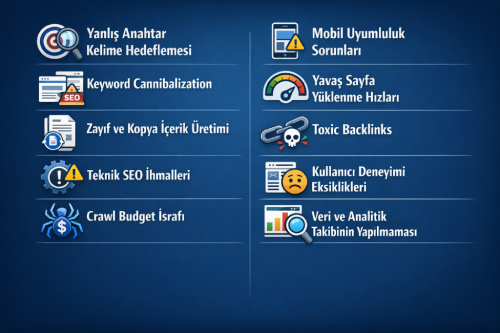
Behind the failure of organic traffic to increase or its sudden drop, there are usually overlooked strategic and technical errors. The 10 most common mistakes that directly undermine SEO performance are:
- Incorrect Keyword Targeting: Focusing on keywords that are not suitable for the site's authority, are excessively competitive, or do not match the search intent prevents traffic from turning into conversions.
- Keyword Cannibalization: This is the case where multiple pages on the same website compete for the same keyword. This error leads to search engines not knowing which page to rank and both pages losing rankings.
- Weak and Duplicate Content Production: Thin content that does not offer new information to the user, is copied from other sites, or is written just to fill in words is considered worthless by algorithms.
- Neglecting Technical SEO: Broken links (404 errors), incorrect redirect chains, missing sitemaps, and faulty robots.txt configurations make it difficult for search engine bots to crawl the site.
- Wasting Crawl Budget: Allowing search engine bots to crawl worthless, duplicate, or filter pages delays the crawling and indexing of the site's actual important pages.
- Mobile Compatibility Issues: In today's world where traffic from mobile devices has surpassed desktop, sites that are not responsive and work slowly on mobile lose rankings due to mobile-first indexing rules.
- Slow Page Loading Speeds: Huge unoptimized images, unnecessary JavaScript code, and insufficient server response times cause users to leave the site quickly (high bounce rate).
- Toxic Backlinks: Low-quality backlinks received from spam sites, link farms, or irrelevant sources lower the site's credibility score, paving the way for manual or algorithmic penalties.
- User Experience (UX) Deficiencies: Complex site architecture, hard-to-read fonts, disturbing pop-ups, and unclear navigation menus undermine SEO performance by reducing the time visitors spend on the site.
- Lack of Data and Analytic Tracking: Failing to regularly examine tools like Google Search Console and Google Analytics leads to downward trends not being noticed and the strategy being carried out blindly.
Comparison of Successful and Unsuccessful SEO Strategies
Clearly seeing the difference between correct and incorrect SEO practices helps you optimize your strategy. You can examine the main differences between these two approaches in the table below:
|
Strategy Criterion |
Successful SEO Practices (White Hat) |
Unsuccessful SEO Practices (Black Hat / Erroneous) |
|
Content Production |
Unique, in-depth content with semantic integrity, suitable for user intent. |
Copied, thin, and keyword-stuffed texts written only for search engines. |
|
Link Building (Backlink) |
High-quality and relevant backlinks earned naturally from industry authorities. |
Artificial profile created with purchased link networks, spam comments, and toxic backlinks. |
|
Technical Infrastructure |
Fast-loading, mobile-compatible architecture with clean code and high crawlability. |
Slow server response times, broken links, redirect chains, and mobile-incompatible design. |
|
Keyword Strategy |
Structure targeted with long-tail keywords and topic clusters. |
Focusing on excessively competitive singular words and pages creating keyword cannibalization. |
|
User Experience (UX) |
Easy to navigate menus, clear calls to action (CTA), and low bounce rate. |
Complex navigation, pop-ups blocking the user, and very short time spent on page. |
|
Performance Measurement |
Regular data analysis, continuous monitoring of conversion rates and organic traffic quality. |
Focusing only on ranking positions, ignoring traffic quality and user behavior. |
If you want to increase your brand's digital visibility, grow organic traffic permanently, and take more place in AI-supported search systems (GEO/LLM), you are in the right place. Magna Dijital Marketing Agency offers end-to-end SEO services from technical analysis to content strategy. To get detailed information, you can reach us at 0850 333 80 91 or visit our SEO Services page to get detailed information.
Ways to Rescue a Failing SEO Process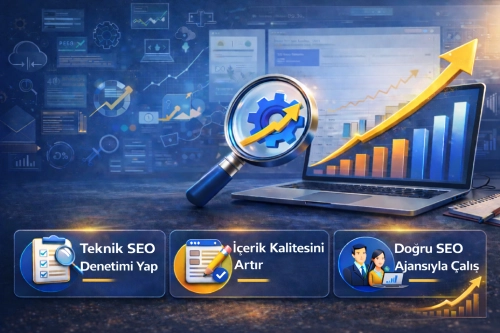
Recovering falling organic traffic and compensating for mistakes made in the past requires a systematic and data-driven recovery plan. Strategic steps to be taken to successfully manage this process are:
Performing a Comprehensive Technical SEO Audit
The first and most important step to reverse a failing SEO process is to perform a comprehensive technical SEO audit that reveals the current status of the website with full transparency. This audit makes it possible to detect how the site is seen by search engine bots, which pages are indexed, and which technical obstacles undermine organic performance. No content or backlink strategy built on a site with a weak technical foundation can bring lasting success.
In the technical audit process, the crawl budget efficiency of the site should be examined first. Duplicate pages, tag pages, or parameterized URLs that waste the time of search engine bots should be detected and closed to crawling via the robots.txt file or noindex tags. At the same time, the up-to-dateness of the sitemap (sitemap.xml) should be checked and it should be ensured that only healthy pages returning a 200 status code, which are intended to be indexed, are included in the map.
Another critical stage of the audit is the analysis of site speed and Core Web Vitals metrics. Site loading speed, visual stability, and interaction speed should be measured using tools like Google Search Console and PageSpeed Insights. Converting huge, slow-loading images to next-generation formats (WebP), deferring unnecessary JavaScript code, and improving server response times help to quickly compensate for ranking losses by increasing user experience.
In-site redirects and broken links (404 errors) should be meticulously scanned. Internal links leading to deleted pages or incorrectly configured redirect chains cause link juice to flow in vain. Detecting these errors and repairing them with correct 301 redirects restores the technical health of the site. A comprehensive technical audit is like a digital check-up for the site and draws the roadmap for the recovery process.
Improving Content Quality and Semantic Structure
After technical problems are fixed, the second fundamental area to focus on is updating the quality and semantic structure of existing content on the website. Behind the failure of SEO efforts to yield results, there are usually contents that are superficial, outdated, or do not meet the search intent. To fix this, all content on the site should be analyzed by taking an inventory and an improvement strategy should be determined for underperforming pages.
In the content improvement process, pages creating keyword cannibalization problems should be detected. Weak pages targeting the same topic and splitting each other's traffic should be combined under a single, stronger, and more comprehensive guide page using a 301 redirect. This consolidation process clearly shows search engines which page is the actual authority and significantly increases the ranking power of the page.
To strengthen the semantic structure, content needs to be expanded to respond not only to the main keyword but also to all sub-topics and related terms (LSI) of the subject. Potential questions that users might ask about the topic (Frequently Asked Questions) should be integrated into the content, and texts should be rearranged with an H2, H3 heading hierarchy that increases readability. Search engines always reward pages that explain a topic in the most comprehensive and structured way.
Additionally, the compliance of content with E-E-A-T (Experience, Expertise, Authoritativeness, Trustworthiness) criteria should be reviewed. Adding author biographies to content, supporting presented data by citing reliable external sources, and maintaining the up-to-dateness of information increases the site's credibility score. High-quality, original content that offers real value to the user earns natural backlinks over time, transforming a failed SEO process into an organic growth momentum.
Moving Forward with the Right SEO Agency or Expert
One of the root causes of SEO processes failing is working with individuals or institutions that implement wrong strategies, are not transparent, or do not have a command of current algorithm dynamics. Permanent success in the digital marketing world is only possible with professionals who think data-oriented and adopt the brand's goals as their own. At this point, choosing the right partner to reverse the process is a vital decision.
A right SEO agency, instead of promising you miraculous rankings in a short time, offers a realistic, measurable, and long-term roadmap by analyzing the current status of your site. By providing transparent reporting at every stage of the efforts, it explains with data which technical improvements have been made, which contents have been produced, and how these steps reflect on organic traffic. This transparency is the most fundamental element that builds the brand's trust in the process.
Another important factor to consider in agency selection is that the team has a command of not only traditional SEO but also next-generation technologies such as AI-supported search engine optimization (GEO). In an ecosystem where search engines are constantly evolving, an agency that cannot adapt to innovations will leave your brand behind. You can examine the detailed evaluation criteria on this subject in depth in our content titled How to Understand the Success of an SEO Agency?.
A failed SEO past is not the end for your brand in the digital world. You can rebuild your organic visibility by learning from mistakes, repairing the technical infrastructure, increasing content quality, and most importantly, handing over the process to the right professionals. With the right strategy and a stable effort, it is always possible to reach the authoritative position you deserve in search engines.
If you want to receive strategic SEO consultancy services specific to your brand to increase your organic visibility, you can contact us immediately at 0850 333 80 91 or visit our SEO Consultancy page.
Frequently Asked Questions
How long does it take for SEO work to take effect?
SEO is a long-term digital marketing strategy. Depending on the site's existing authority, competition in the sector, and the scope of technical improvements made, it usually takes between 6 to 12 months to get lasting and measurable results.
Will old SEO mistakes permanently punish my site?
No, they are not permanent. Mistakes made in the past (spam links, duplicate content, etc.) may have lowered your site's ranking or caused you to receive a manual penalty. However, with the rejection of harmful links (disavow), originalization of content, and elimination of technical errors, your site can regain its old authority over time.
How is keyword cannibalization solved?
After pages targeting the same keyword and splitting each other's traffic are detected, the strongest and most authoritative page is determined as the main page. Other weak pages are directed to this main page with a 301 redirect or their contents are combined into a single and comprehensive guide.
How are harmful backlinks (toxic backlinks) cleaned from my site?
After harmful links leading to your site are detected with SEO tools like Ahrefs or Semrush, they are put into a list. This list is presented to Google using the "Disavow Tool" in Google Search Console, and it is requested that these links not be taken into account in the evaluation of your site.
How can I optimize my site's crawl budget?
To optimize the crawl budget, you should block unnecessary pages that waste the time of search engine bots (filter pages, tags, duplicate content) with a robots.txt file or add a noindex tag. Additionally, increasing site speed and cleaning broken links (404) also allows bots to crawl your site more efficiently.
Why is my site not being indexed or not appearing on Google?
Main reasons for your site not being indexed may include; pages being accidentally closed to crawling in the robots.txt file or meta tags (noindex), the sitemap being faulty, server response times being too slow, or the site having received a manual penalty from Google.
Which metrics should be considered when choosing an SEO agency?
When choosing an SEO agency; attention should be paid to the agency's past references, transparent reporting processes, whether they work focusing not only on ranking but also on conversion (ROI), and how well they have a command of technical SEO, content marketing, and next-generation GEO (AI SEO) trends.